About PanelCraft Motors

PanelCraft Motors provides structured information about body repair processes for vehicles after road incidents. We outline methods, tools, and informational frameworks related to damage assessment, panel repair, painting, and part replacement. Our content is designed to help vehicle owners understand the typical steps and considerations involved, without making claims about specific outcomes. We emphasise that repair work depends on multiple factors, including the extent of damage, vehicle type, and insurance requirements. By presenting clear, factual explanations, PanelCraft Motors aims to support informed decision-making throughout the repair journey.

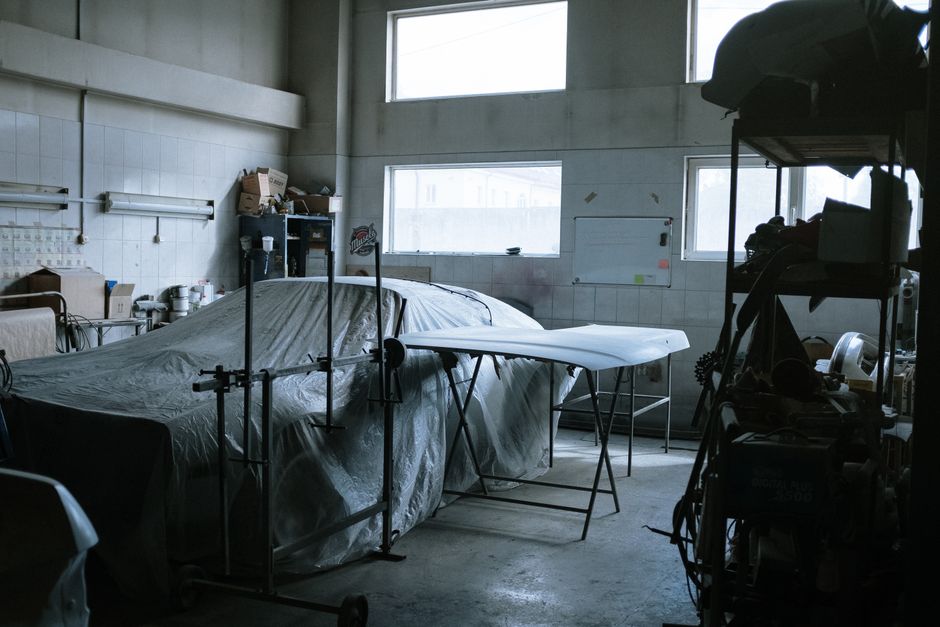
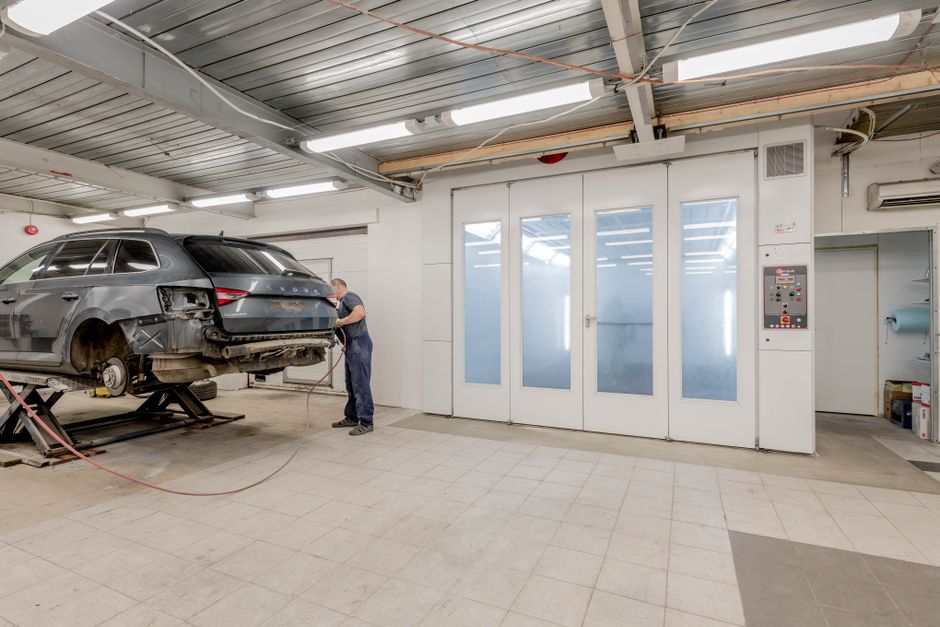
An indoor auto repair shop with a covered car, tools, and equipment visible.

Understanding the Damage Assessment and Documentation Process

The process typically begins with a systematic, element-by-element inspection of the vehicle following a road incident. Findings are recorded through photography, written notes and alignment measurements, so damage can be catalogued and compared clearly. Documentation is then structured to support estimates and assist with insurance-related correspondence and approval steps. Each assessment reflects the vehicles condition and incident specifics, which govern the repair methods considered.

Stages of Body Repair

  • 01

    Initial Assessment

    A detailed inspection and estimation of damage, often supported by photographs and documentation for insurance purposes.

  • 02

    Insurance Coordination

    Where applicable, communication with insurers to agree on repair scope, authorisation, and any required approvals before work begins.

  • 03

    Panel and Paint Work

    Repairs include panel beating, paint refinishing, or replacement of elements, performed using recognised methods and materials.

  • 04

    Final Checks and Completion

    A final quality inspection is conducted, and the vehicle is prepared for collection, with procedures and timelines varying by circumstance.

What Clients Say About Their Repair Experience

Coordination with Insurers

In the repair approval process, insurers often play a central role in determining the scope of work. PanelCraft Motors typically coordinates with the insurer, providing detailed damage assessments and photographic documentation to support the claim. The final approval depends on your policy terms and the insurer's own assessment of the damage. This means that repair methods and parts selection may be subject to their review, and timelines can vary accordingly.

About Our Informational Resources

PanelCraft Motors provides informational resources that explain panel beating and paintwork methods. These resources outline how vehicle body damage is assessed, the techniques used for panel repair, and the process for paint matching and application. We also describe how these methods fit within repair workflows including insurance coordination. The information clarifies context and typical procedures involved in body repair. We do not guarantee specific timeframes or material outcomes, as results depend on factors such as damage severity, vehicle construction, and parts availability. Our goal is to present structured explanations so vehicle owners can better understand the processes involved before making decisions.

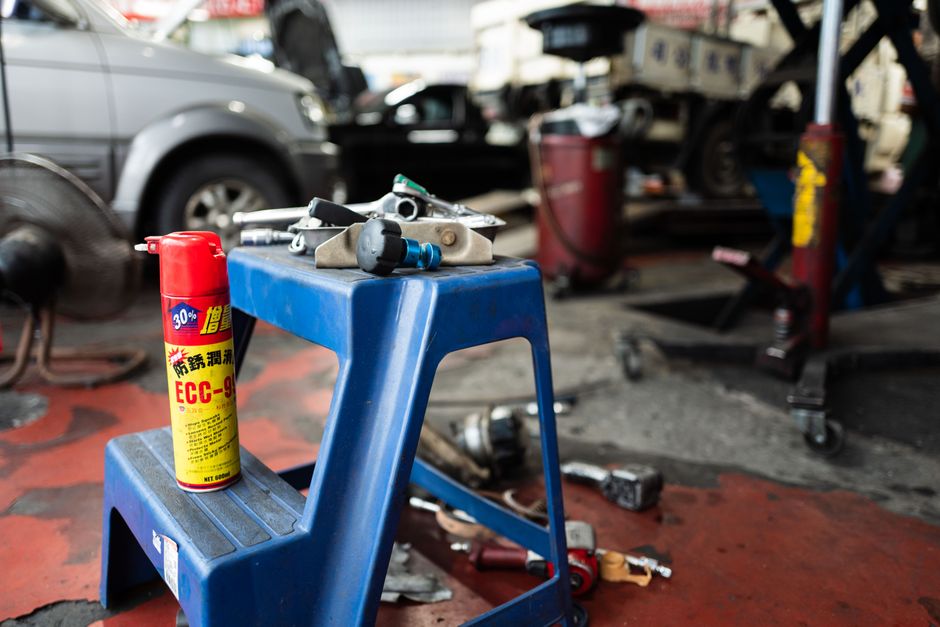
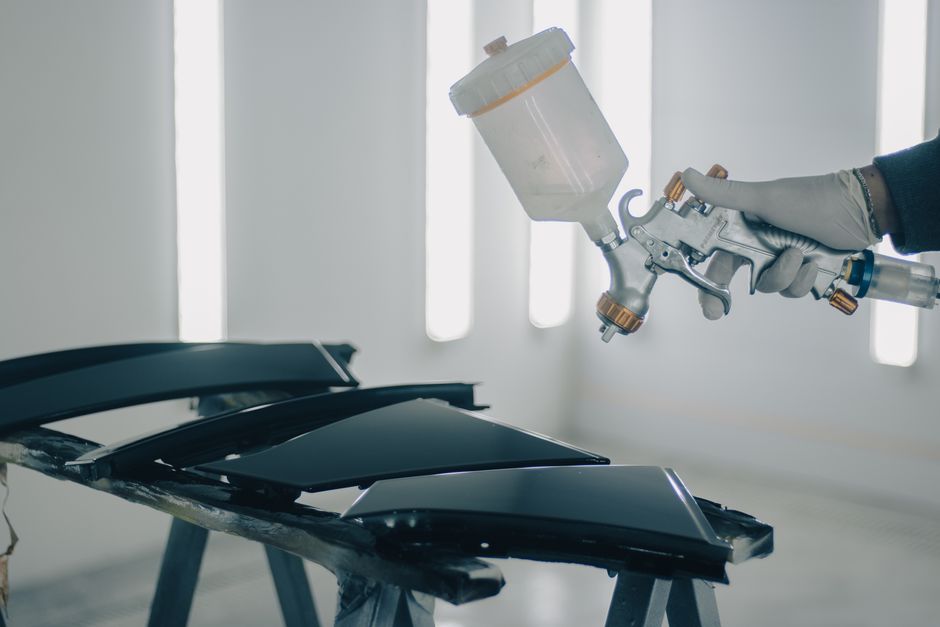
Dynamic view of a workshop with tools and automotive parts on a stool, inside a repair shop.

Key Aspects of Our Repair Process

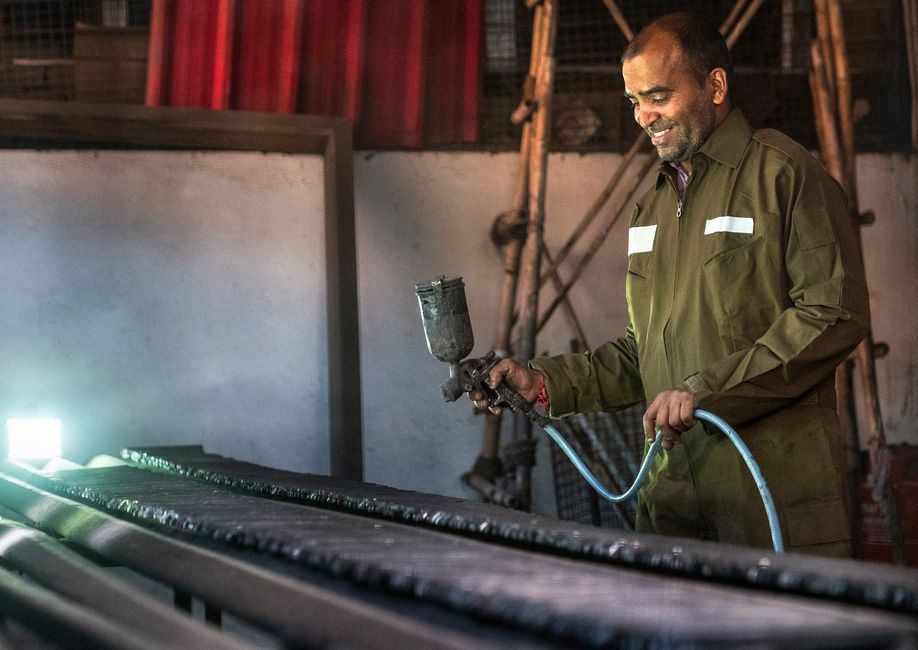
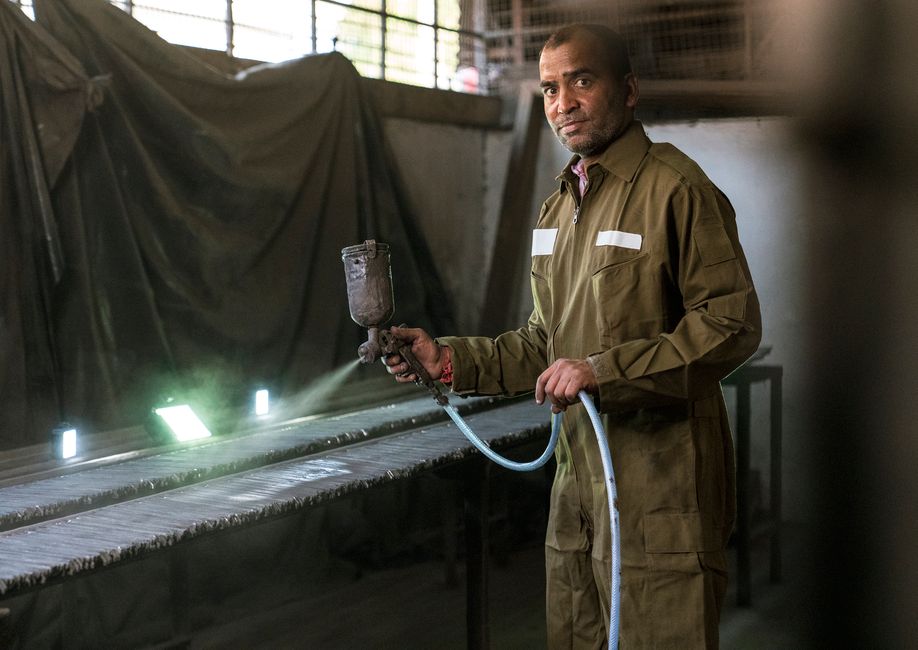
Smiling man using a paint spray gun in an industrial workshop environment.
  • Assessment Techniques

    Damage is evaluated using systematic inspection methods; findings depend on vehicle condition and accident specifics.

  • Documentation Practices

    Repair steps and communications are recorded; documentation scope varies based on individual case requirements.

  • Transparent Workflow

    Processes are outlined at each stage; actual timelines and sequences may differ due to parts availability and other factors.

  • Multi-Factor Dependency

    Outcomes are influenced by assessment results, insurance approvals, and external variables, not solely by our methods.

Common Questions About the Repair Process

  • What happens during the initial damage assessment?
    A technician inspects the vehicle and documents visible and hidden damage. The assessment informs the repair method and may require partial disassembly to access structural components.
  • How is the repair method chosen for each vehicle?
    Factors such as damage location, material type, and manufacturer guidelines guide the choice between panel beating, painting, or replacement, though the final decision follows a detailed inspection.
  • Can PanelCraft Motors coordinate with my insurance provider?
    PanelCraft Motors can communicate with insurers to share assessment details and discuss repair options. The approval process depends on policy terms and individual insurer procedures.
  • What steps are involved in the insurance approval process?
    The process typically includes submitting damage documentation, awaiting insurer review, and agreeing on a repair plan. Timelines and outcomes vary based on policy coverage and insurer practices.
  • How long does a typical body repair take to complete?
    Duration depends on damage severity, parts availability, and insurer authorization. Some repairs may be completed in days, while complex structural work may require longer scheduling.

Technical and Procedural Elements of Body Repair

Body repair involves a structured approach to restoring a vehicle's structure and appearance. Panel alignment begins with precise measurement using jigs and laser systems to ensure the chassis and panels meet manufacturer specifications. Technicians assess deviations and apply controlled force to correct misalignments, which helps maintain structural geometry. Paint application follows a multi-stage process: surface preparation, primer application, base coat, and clear coat. Each layer requires specific drying and curing conditions to achieve durability and visual consistency. Colour matching uses spectrophotometers and mixing formulas to replicate the original finish. Throughout the process, documentation and quality checks ensure that procedures are followed and outcomes are consistent. These technical steps are carried out in controlled environments, reflecting current industry practices and materials. The exact methods may vary depending on vehicle design, damage extent, and manufacturer guidelines, and outcomes depend on multiple factors including material properties and environmental conditions.

Mechanic repairing a car indoors at an auto workshop, focusing on vehicle maintenance.

Our Approach to Part Replacement

PanelCraft Motors focuses on part replacement methods integrated into the repair process. Our informational framework outlines methods for part selection, preparation, and installation within a repair plan. We describe how assessed damage data and material specifications determine suitability, rather than recommending a specific method. Documentation covers steps and decision points so owners can follow context with their repairer. We set out considerations such as structural configuration and compatibility conditions that shape decision-making inside or outside formal insurance channels. Repair boundaries follow removal and assembly workflows in manufacturer sources and repair requirements. Outcomes depend on contextual factors including workshop standards, parts supply, and each vehicle's condition, addressed consistently across any chosen replacement progression.

Post-Repair Quality Checks and Documentation

  • 01

    Visual Inspection

    A technician checks panel alignment, paint finish, and visible imperfections after repair.

  • 02

    Functional Testing

    Lights, sensors, and moving parts are tested for correct operation and fit.

  • 03

    Documentation Review

    Repair records and photographs are compiled for your records and insurance.

  • 04

    Final Handover

    Completed paperwork and keys are provided, with notes on any follow-up checks.

Examples of Workshop Processes

A neutral visual record of typical body repair stages documented at PanelCraft Motors: initial damage assessment, panel alignment, paint preparation, and component replacement, shown as sequential workshop observations.
Close-up of car parts being spray-painted in an automotive workshop.
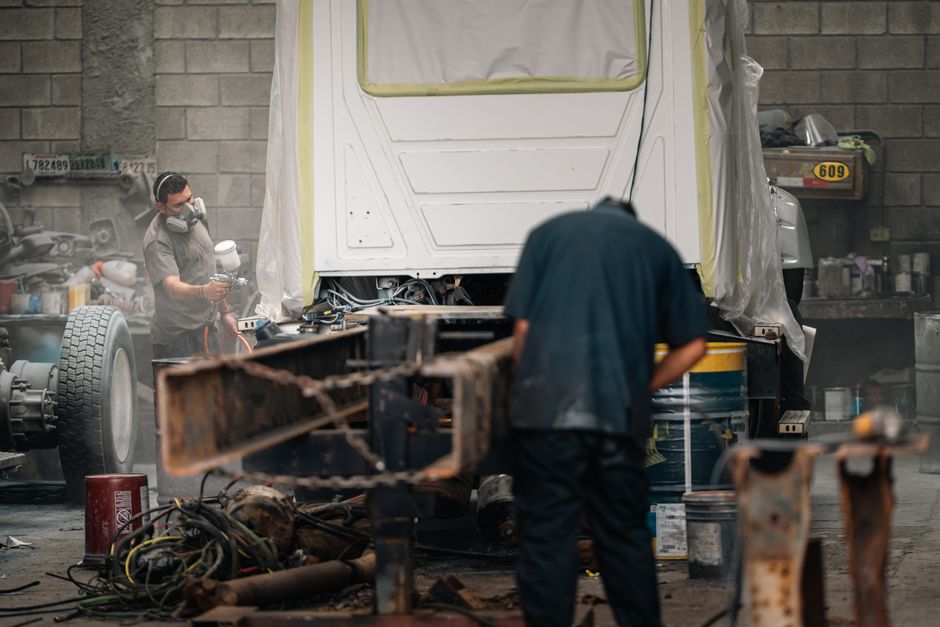
Two workers in a workshop painting a vehicle chassis. Industrial setting, protective gear.
Worker in protective gear spraying in an industrial setting with focused expression.
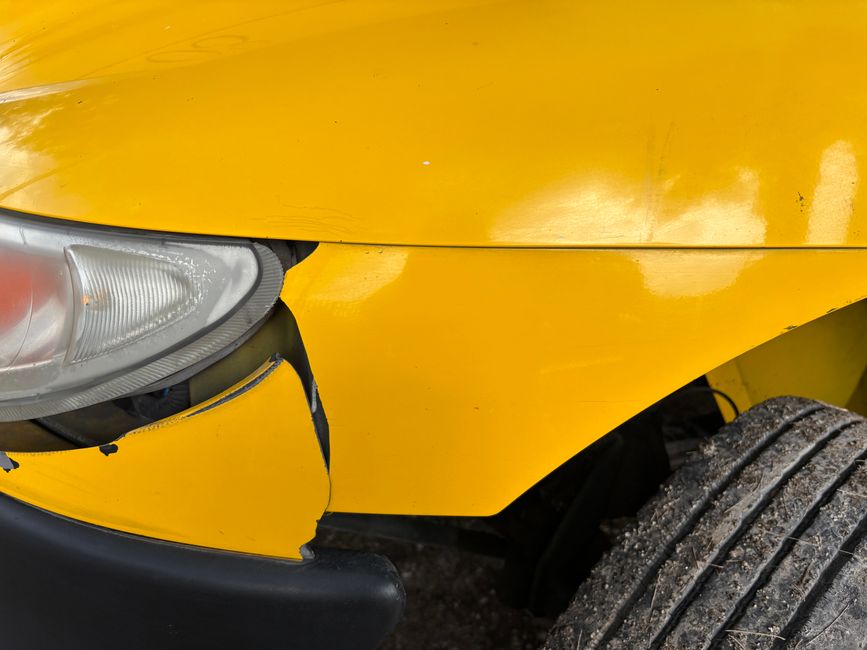
Close-up image of a yellow car's damaged front bumper and headlight for insurance or accident concept.

Materials, Conditions and Environmental Considerations in Body Repair

Workshop activity involves selecting appropriate materials and replacement components according to manufacturer specifications operating within type approval. Where safety structures or load-bearing elements are still identified, structural replacement rather than repair, particularly in broader installations after impact. Materials reduce choice for replacement body panels; variable depending on extent, this would include low-pressure grades, high-voltage paints in finishers complement situations have the characteristics of a cleanroom sanding often accordingly involve reduced measures of high-solid compound systems sprayable reduced atmospheric dispersal systems within spray ovens do capture airborne hazardous particles filtering using extraction measures require disposal of coats, fillers, thinners regulatory licensing in the United Kingdom. A methodology that limits identification control arrangements pre-weight independent the plan design usually offers proper durable outer car coating achieving conformance while reducing refinish extent unnecessary.

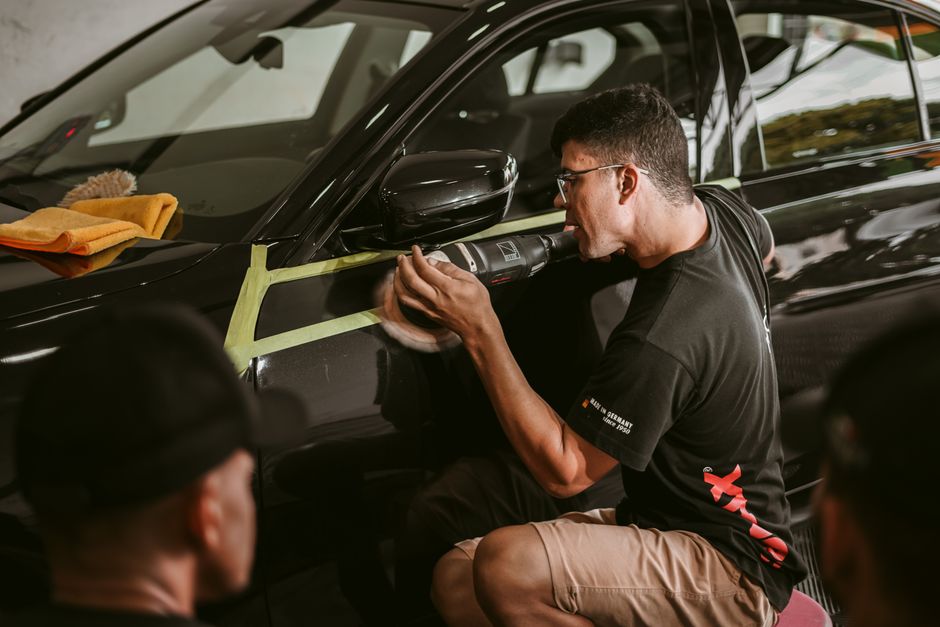
A man meticulously polishes a car, showcasing precision in an automotive workshop.

How We Communicate About Insurance and Repair Processes

PanelCraft Motors focuses on clear, structured information about insurance coordination and repair methods. Our descriptions outline how damage assessment, bodywork, painting, and part replacement are typically organized, as well as the general sequence for communicating with insurers. This information is provided as a methodology reference, not as a guarantee of results or a substitute for professional assessment. We do not assume responsibility for repair outcomes, as these depend on individual vehicle condition, insurer policies, and other factors. Our aim is to help vehicle owners understand the typical processes involved and make informed decisions based on transparent information.

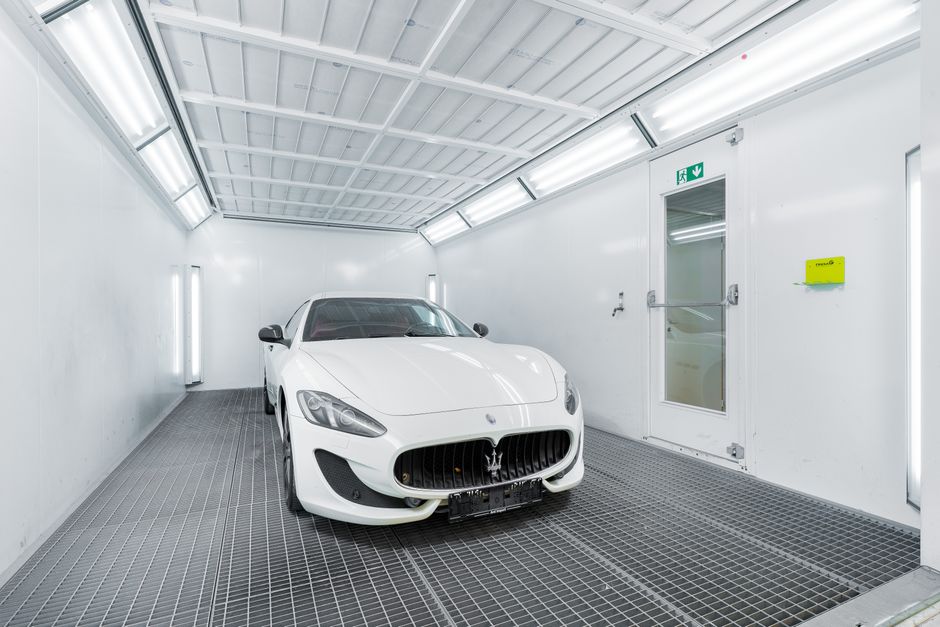
White luxury car inside a well-lit paint booth, showcasing sleek design and sophistication.

How Our Repair Process Is Documented and Assessed

Structured Damage Assessment

We use standardised inspection forms and measurement tools to record damage before any repair work begins.

Photo Documentation

Each stage of repair is photographed, creating a visual record that supports transparency and insurance communication.

Written Repair Reports

Detailed reports outline methods used, parts replaced, and paint specifications, providing a clear reference for all parties.

Insurance Coordination Records

We maintain logs of correspondence and approvals with insurers, helping to track the progress of each claim.

Contact PanelCraft Motors

Reach our team for enquiries about vehicle damage assessment and repair processes. Submissions are for informational purposes; response times may vary depending on external factors.

Enquiry Form

We use cookies

We use cookies to ensure the proper functioning of the website, analyze traffic, and improve your experience. You can accept all cookies or reject them — the site will continue to operate. For more details, read our Cookie Policy.